CSIR-Soil Research Institute Calls for Evidence-Based Fertilizer Use and Increased Research Funding to Safeguard Ghana’s Soils

CSIR-Soil Research Institute Calls for Evidence-Based Fertilizer Use and Increased Research Funding to Safeguard Ghana’s Soils.

The Director of the CSIR-Soil Research Institute, Dr. Collins Tay, has raised concerns over two critical issues affecting sustainable agricultural development in Ghana: the inappropriate use of imported fertilizers and the inadequate funding of agricultural research.

Speaking on Joy FM’s Super Morning Show during Joy Agribusiness Month, Dr. Tay cautioned that some fertilizers imported into the country may not be well-suited to Ghana’s diverse soil conditions. He explained that the indiscriminate application of such fertilizers is contributing to soil degradation rather than improving soil fertility and agricultural productivity.

He noted that fertilizer import decisions are often made without sufficient consultation with soil scientists and other technical experts. According to him, applying fertilizers without proper soil testing and nutrient assessment can lead to imbalances, where soils already rich in certain nutrients receive additional unnecessary inputs.

“Some soils may already contain adequate levels of nutrients such as nitrogen or phosphorus,” he explained. “Applying 

blanket fertilizer recommendations without considering soil conditions can result in excess nutrients leaching into the environment.”

Dr. Tay further emphasized the need for stronger collaboration between government, policymakers, and agricultural stakeholders to ensure that fertilizer importation and application are guided by scientific evidence and local soil data.

In addition to concerns about fertilizer use, Dr. Tay also highlighted the persistent challenge of limited funding for agricultural research in Ghana.

He revealed that while government pays the salaries of researchers, it does not provide direct funding for research activities, leaving donor agencies as the primary financiers of scientific work at the institute.

He warned that this heavy dependence on external funding poses risks to national ownership and control of critical agricultural data. In some cases, donor agreements require the transfer of raw research data, raising concerns about long-term access to information essential for national planning.

Dr. Tay stressed that the CSIR-Soil Research Institute plays a key role in providing soil fertility information, land suitability assessments, and agricultural mapping services that support food production and environmental management across the country. However, inadequate domestic investment limits the institute’s ability to fully deliver on its mandate.

He further observed that while substantial resources are spent on fertilizer imports and subsidies, relatively little is invested in research to determine appropriate fertilizer requirements tailored to Ghana’s varied soils.

Dr. Tay cautioned that continued underinvestment in agricultural research, combined with weak integration of scientific expertise into fertilizer policy, could undermine innovation, reduce productivity, and threaten long-term food security.

He therefore called for a coordinated, science-driven approach to fertilizer management, alongside increased and sustained government support for agricultural research institutions to safeguard Ghana’s soils and strengthen national food security.

CSIR Trains Northern Sector Staff in Professional Janitorial and Facilities Sanitation Management

CSIR Trains Northern Sector Staff in Professional Janitorial and Facilities Sanitation Management

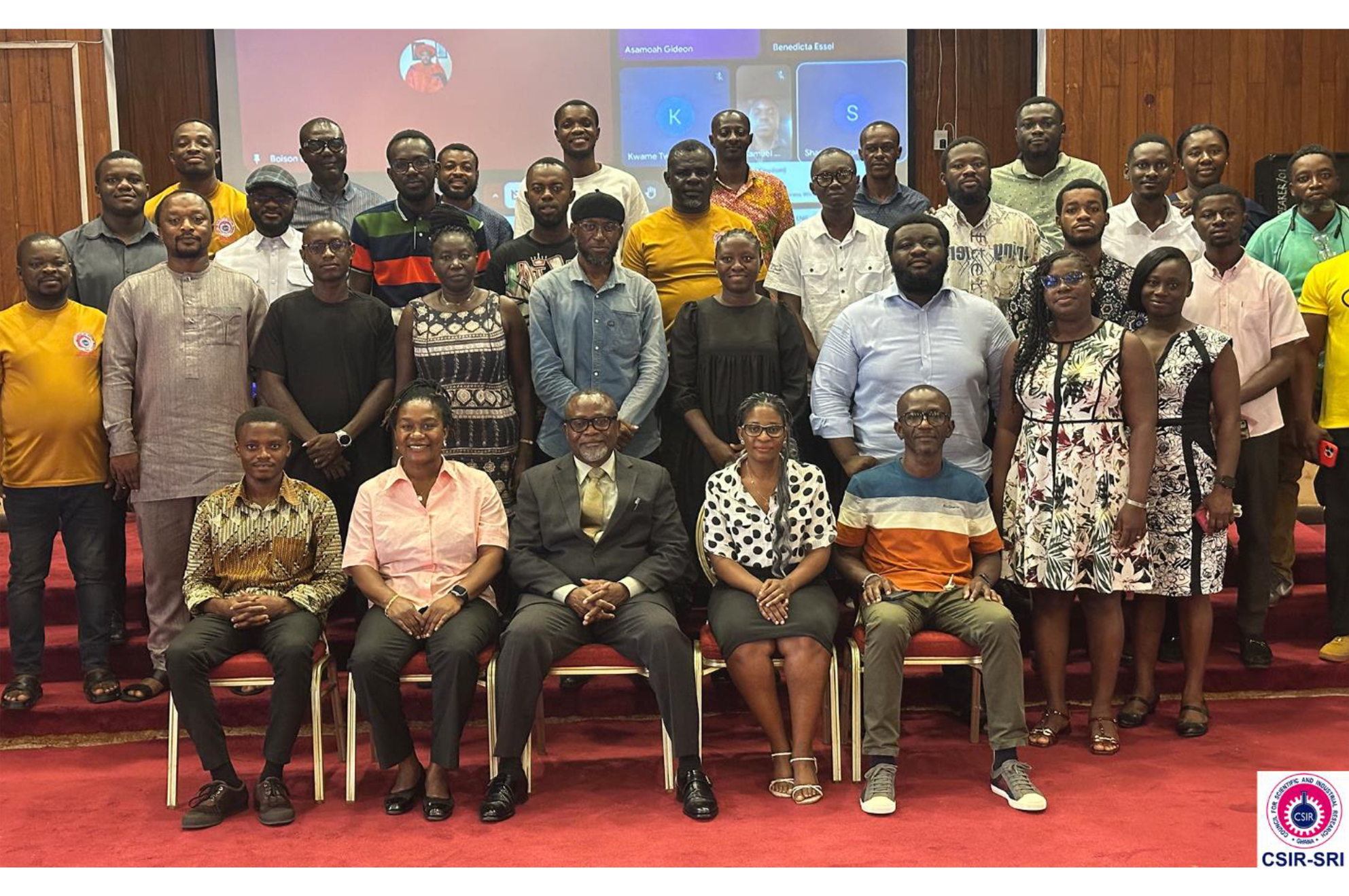
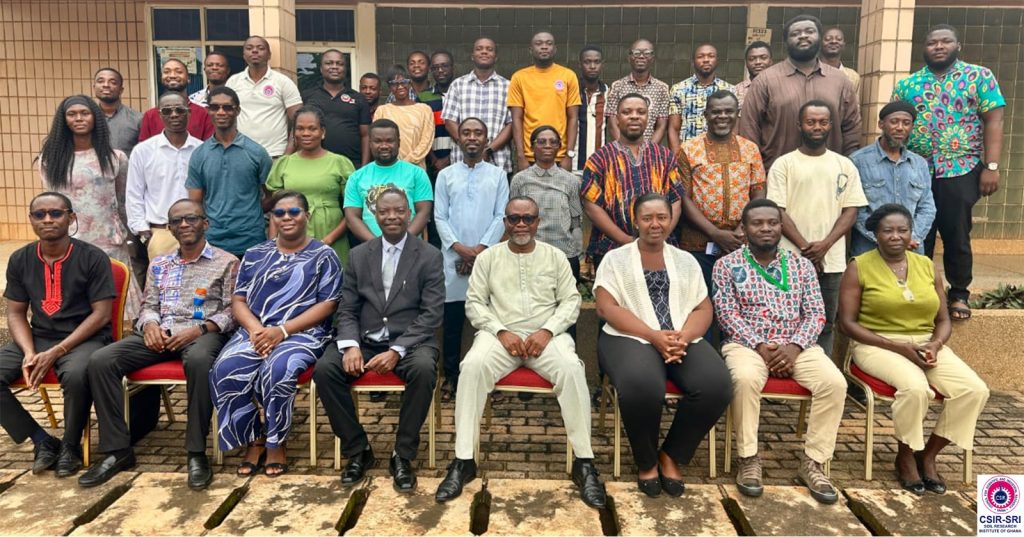
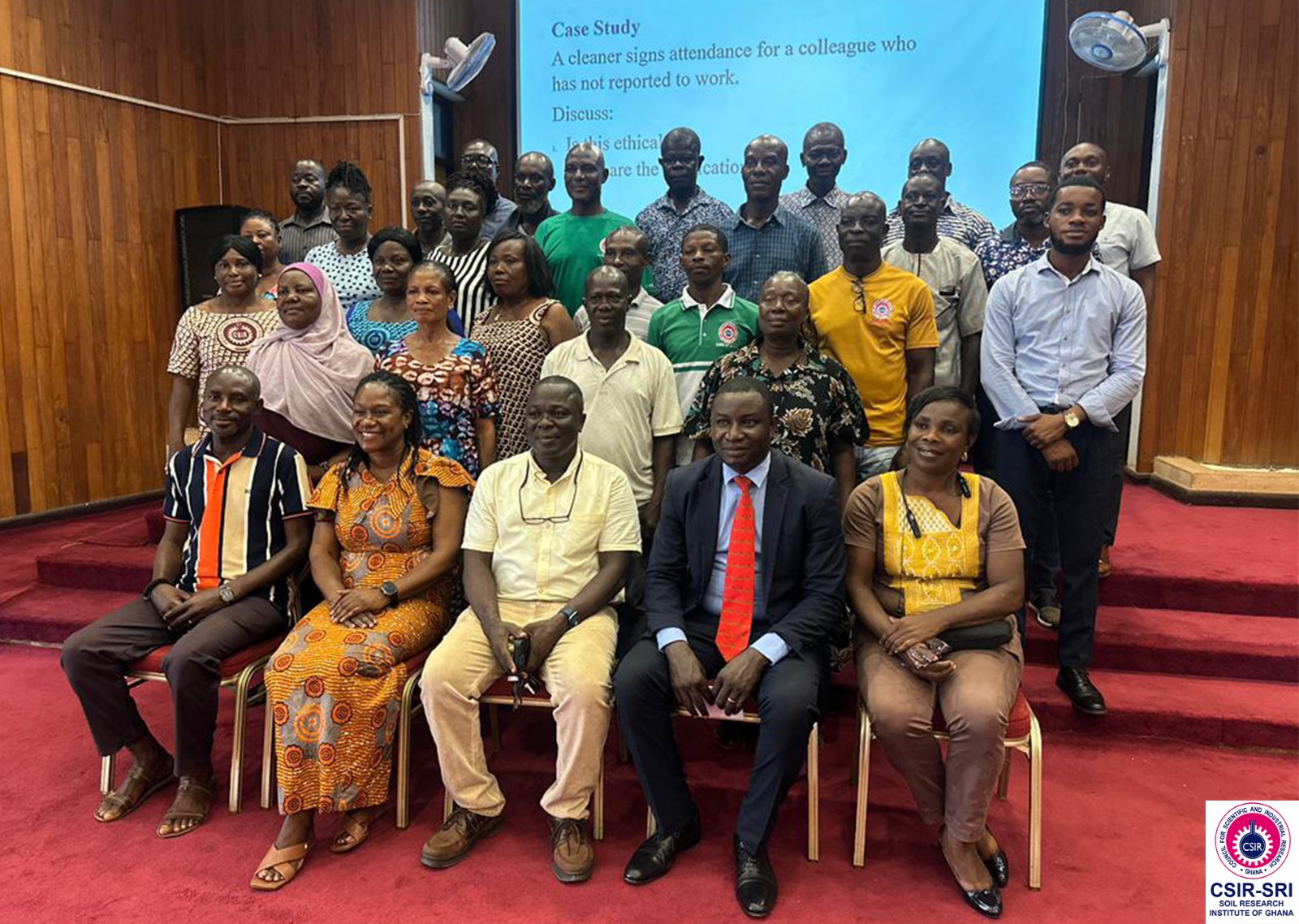
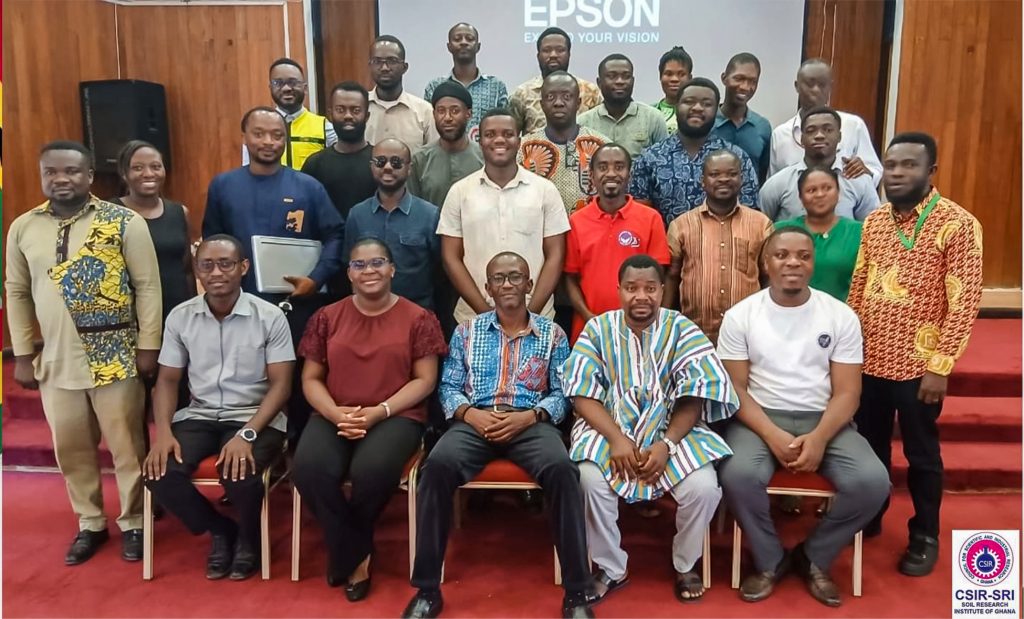
The Council for Scientific and Industrial Research (CSIR) has organized a 5-day training programme on Professional Janitorial and Facilities Sanitation Management for junior staff from its Northern Sector institutions.

The training, held from June 8 to 12, 2026, at the Sofernet Conference Room of the CSIR-Soil Research Institute (CSIR-SRI) at Kwadaso- Kumasi, sought to enhance participants’ knowledge and skills in modern sanitation practices, workplace hygiene, and facilities management.

In his welcome address, Dr. Emmanuel Dugan, Senior Research Scientist and Acting Deputy Director of the CSIR-Soil Research Institute, encouraged participants to remain attentive throughout the training and embrace emerging trends and best practices in professional janitorial and facilities sanitation management.

The programme was facilitated by Mr. Samuel Azuug Ndebilla, Head of Commercialization at the CSIR-Crops Research Institute, and Ms. Hagar Assan, Principal Administrative Officer at the CSIR-Soil Research Institute.

Speaking during the training, the facilitators emphasized the importance of maintaining clean, safe, and healthy work environments to support research activities and improve institutional productivity. They noted that janitorial and sanitation personnel play a critical role in projecting a positive image of the institution while ensuring the well-being of staff and visitors.

The training covered key areas including professional cleaning techniques, accountability, emotional intelligence, customer service, workplace ethics and integrity, and best practices in facilities maintenance.

Mr. Ndebilla encouraged participants to apply the knowledge and skills acquired during the training to improve sanitation standards within their respective workplaces. He noted that professionalism, commitment, and attention to detail are essential qualities for effective facilities management.

“As a research institution, our success depends on both senior and junior staff. Whether in the field, laboratory, or service delivery, they play a vital role. We remain committed to supporting their growth and ensuring they benefit from career progression,” he added.

Ms. Assan urged participants to uphold high standards of ethics, integrity, and discipline in the discharge of their duties, stressing that a clean and well-maintained environment contributes significantly to staff morale and organizational performance.

Participants expressed appreciation to management for organizing the programme, describing it as timely and beneficial to their professional development. They pledged to implement the lessons learned to enhance sanitation and facilities management within their institutions.

The training forms part of CSIR’s continuous staff capacity-building initiatives aimed at promoting excellence, professionalism, and effective service delivery across its institutions.

AWARD Fellowship

AWARD Fellowship Empowers Scientists to Champion Sustainable Farming and Community Development

A Senior Technical Officer at the CSIR-Soil Research Institute, Miss Mary Koduah, has successfully completed the prestigious African Women in Agricultural Research and Development (AWARD) Mentorship Program, using the opportunity to promote environmental sustainability and support farming communities.

Mary Koduah participated in the year-long virtual fellowship in 2025, with support from the Director of the CSIR-Soil Research Institute, Dr. Collins Tay, and mentorship from Dr. Robert Brenya. The program provided valuable training in research, mentorship, stakeholder engagement, and gender-inclusive agricultural development.

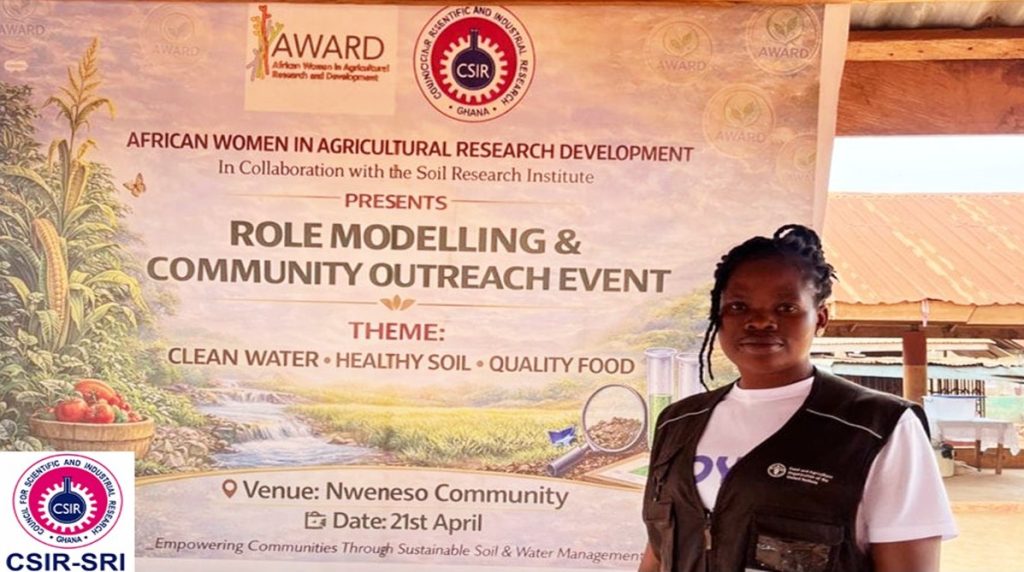
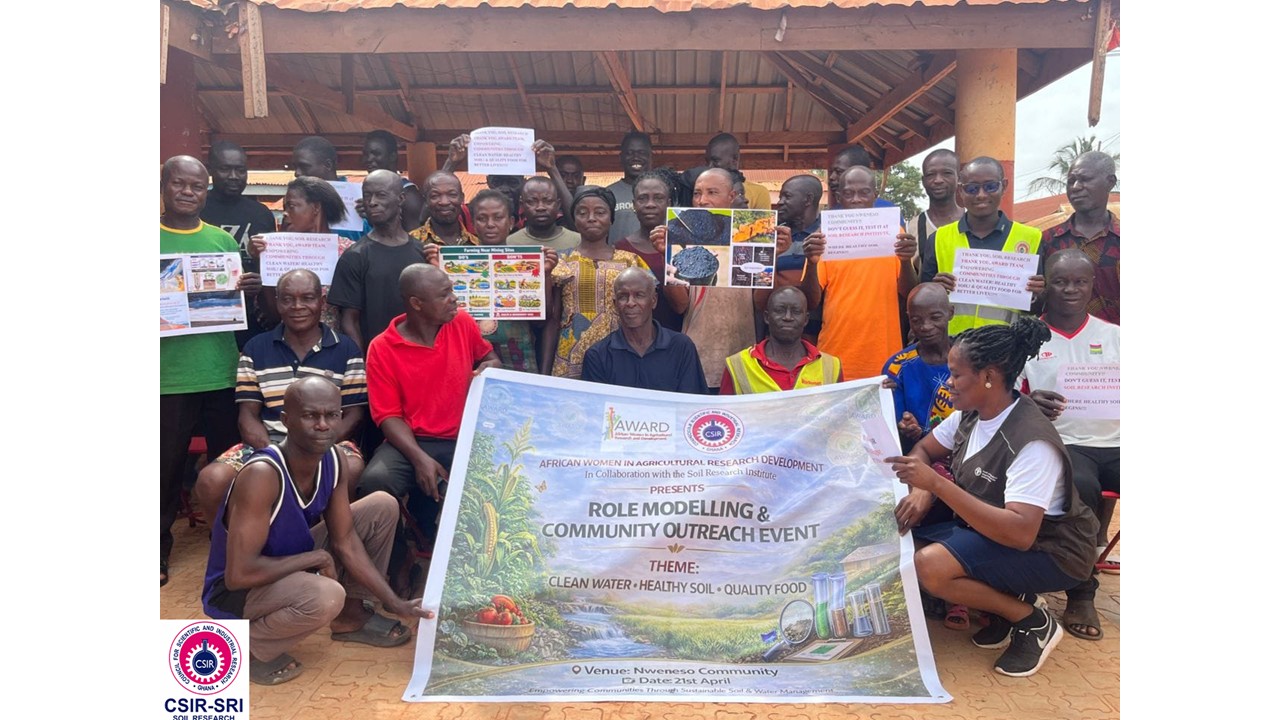
As part of the fellowship’s community engagement activities, Mary Koduah led an outreach program at Nweneso No. 1 on April 21, 2026, under the theme “Clean Water, Healthy Soil, and Quality Food.”

The initiative focused on educating farmers and residents on environmental sustainability, safe agricultural practices, and the effects of illegal mining on food production, soil fertility, water quality, and public health.

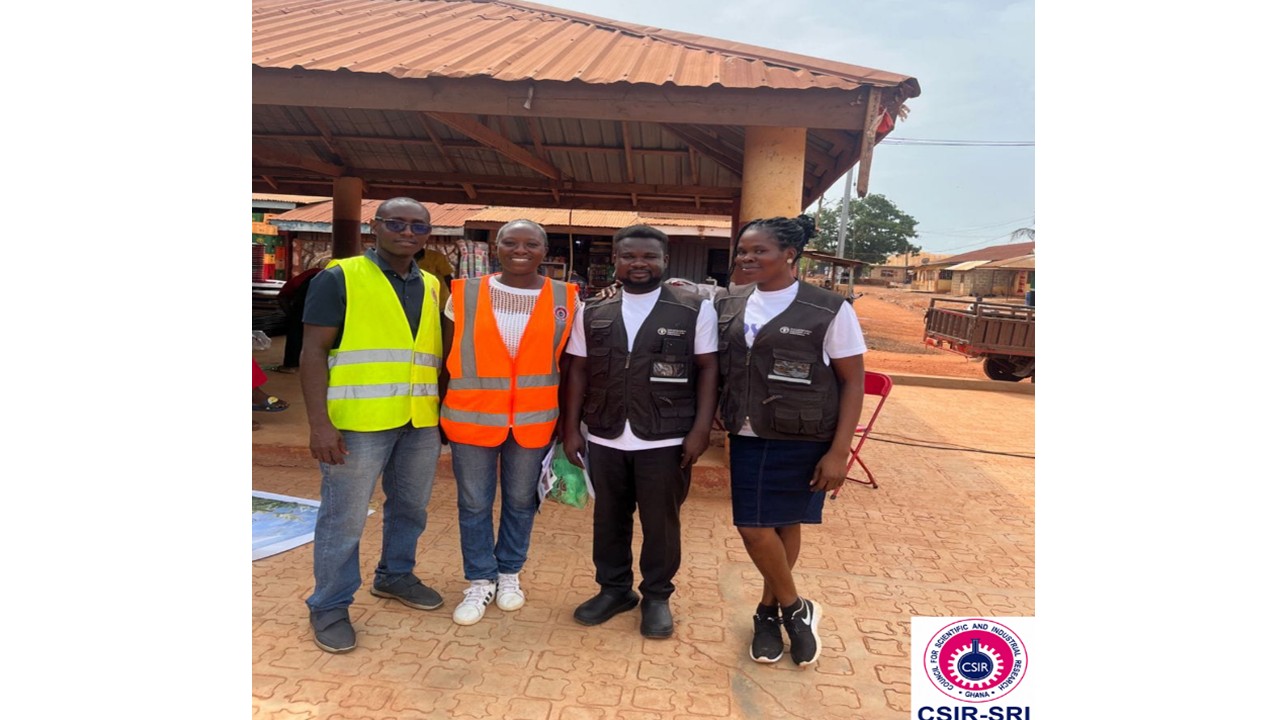
Working alongside colleagues Leticia Ohenewaa and Enoch Danquah, and under the supervision of Dr. Robert Brenya, the team conducted interviews with local farmers.

The findings revealed growing concerns about deteriorating water quality, degraded farmlands, declining soil fertility, and challenges in maintaining crop yields.

Participants were also educated on the dangers of heavy metal contamination and its potential

health impacts. The team further introduced improved soil and water management practices, including the use of biochar systems to enhance soil productivity and environmental resilience.

The outreach fostered direct engagement with farmers, encouraged greater collaboration with the CSIR-Soil Research Institute, and highlighted the urgent need for safe and reliable water sources within the community.

Speaking on the impact of the fellowship, Mary Koduah noted that the AWARD Program significantly strengthened her skills in stakeholder engagement, scientific communication, and addressing critical agricultural and environmental challenges.

She expressed appreciation to the Director of the CSIR-Soil Research Institute, Dr. Collins Tay, her mentor Dr. Robert Brenya, and the AWARD Fellowship Program for their guidance, support, and commitment to empowering women in agricultural research.

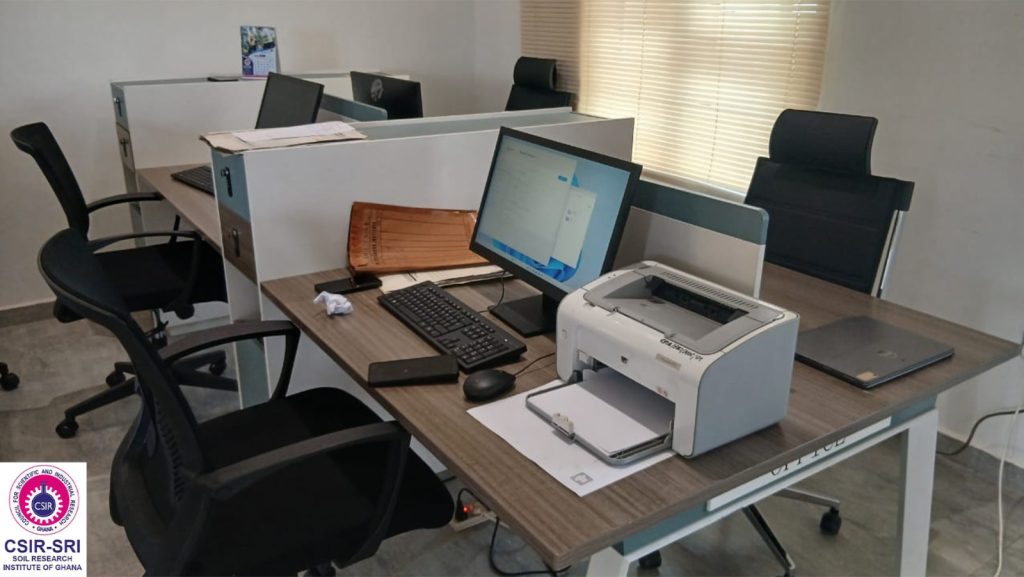
CSIR-Soil Research Institute Unveils Ultra-Modern Administrative Building in Kumasi

CSIR-Soil Research Institute Unveils Ultra-Modern Administrative Building in Kumasi

The CSIR-Soil Research Institute (CSIR-SRI) has officially inaugurated a new ultra-modern administrative building at Kwadaso in Kumasi.

The facility, funded through the Corporate Social Responsibility initiative of the CSIR-SRI Credit Union, was commissioned on Thursday, April 9, 2026.

In his welcome address, Dr Collins Tay, Director of CSIR-SRI, expressed appreciation for the successful completion of the renovation project, which commenced in December 2025. He acknowledged that although the process temporarily disrupted office operations, the outcome significantly enhanced the institute’s administrative capacity.

Dr. Tay further encouraged the current leadership of the credit union to sustain such impactful initiatives and emphasized the need for similar improvements across other divisions within the institute.

Chairman of the CSIR-SRI Credit Union, Mr. Edward Kissi, commended the Board and Management for their commitment and contribution toward transforming the facility. He also urged staff to maintain the building to ensure its longevity.

The event was attended by executives of the credit union, as well as management and staff of CSIR-SRI.

The ceremony ended with a prayer led by Pastor Ing. Dr. Ephraim Sekyi-Annan, who called for ongoing collaboration and mutual benefit between the credit union and the institute.

CSIR-SRI Strengthens Research Skills with Hands-On Training

CSIR-SRI Strengthens Research Skills with Hands-On Training

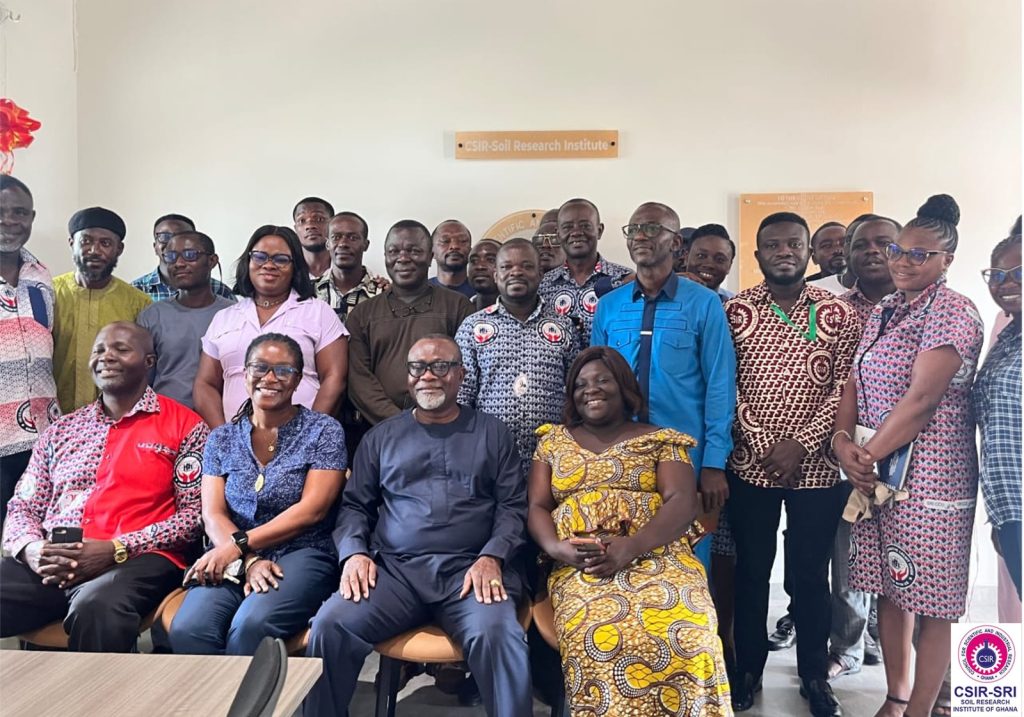
There was a renewed sense of energy and collaboration at the CSIR-Soil Research Institute as researchers stepped away from their routine laboratory and field work to take part in a 5-day intensive training programme designed to sharpen their skills and elevate the Institute’s research output.

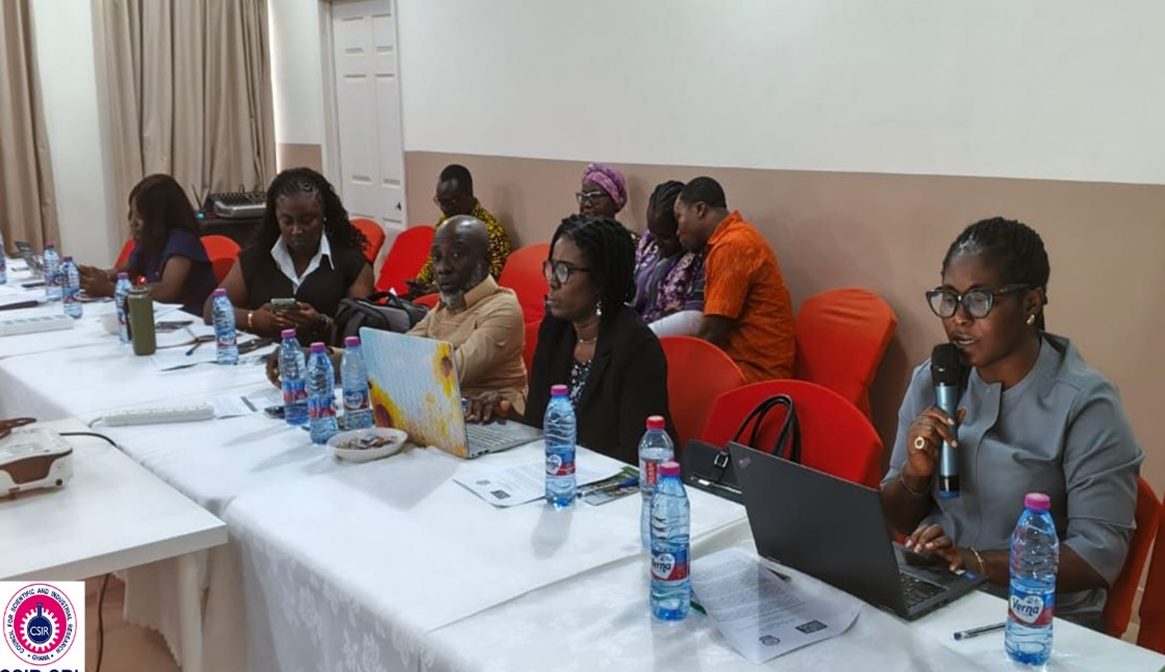
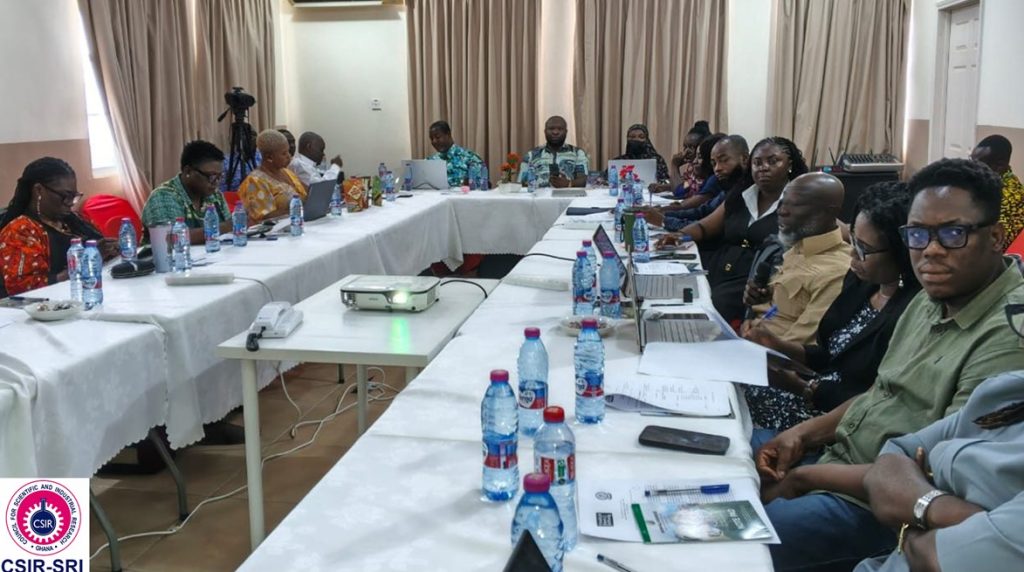
The in-house training focused on practical aspects of experimental design, data analysis, and scientific writing—core areas that shape the quality and impact of scientific work. Early-career scientists sat side by side with senior colleagues, exchanging ideas and experiences while learning new tools and approaches to strengthen their research.

The sessions were facilitated by Dr. Albert Kobina Mensah, a seasoned scientist at the Institute, and Mr. Gideon Asamoah, a research scientist known for his expertise in R Studio. Through interactive and hands-on exercises, participants deepened their understanding of statistical analysis using R Studio, improved their reference management skills with tools such as Zotero and Mendeley, and explored practical strategies for publishing in high-impact journals.

Beyond technical skills, the training also introduced modern research design methods and scientific writing techniques, helping staff adapt to evolving research trends, including the growing influence of artificial intelligence in scientific work.

At the close of the programme, Dr. Robert Brenya, speaking on behalf of the participants, expressed sincere appreciation to the facilitators for their time, patience, and dedication. He noted that the knowledge shared over the 5-days would not only strengthen individual researchers but also contribute significantly to the Institute’s mission of delivering impactful scientific solutions.

CSIR Council Chair Calls for Transformation into More Visible, Innovative, and Commercial Institution

CSIR Council Chair Calls for Transformation into More Visible, Innovative, and Commercial Institution

The Council Chair of the Council for Scientific and Industrial Research, Ing. Mark Taylor, has called for sweeping reforms to make CSIR a more visible, innovative, and commercially driven.

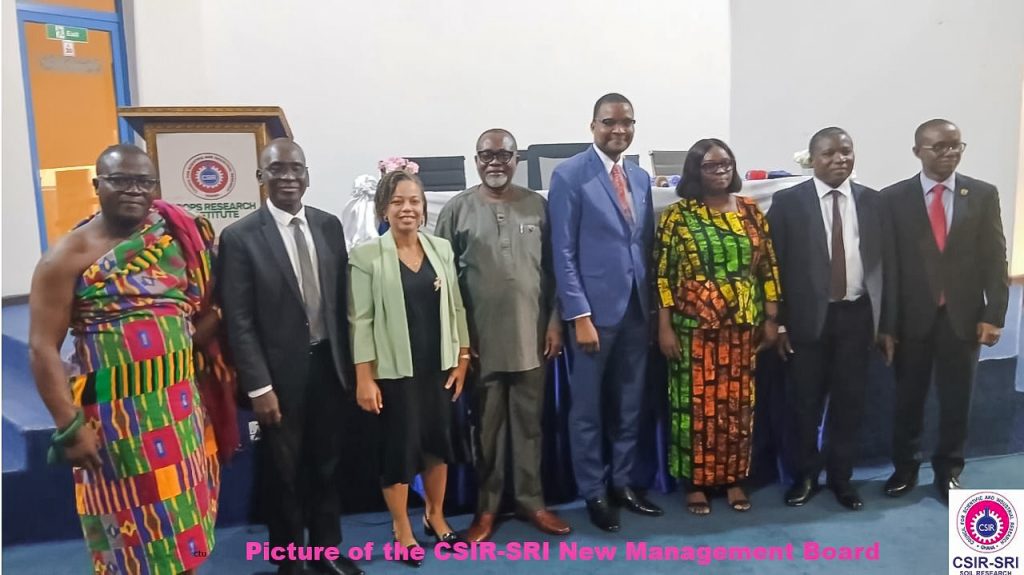
Speaking at the induction of the New Management Board of the CSIR–Soil Research Institute on Thursday, February 19, 2026, Ing. Taylor charged board members of CSIR’s northern sector institutes to reposition the organization for greater national and international impact.

Ing. Taylor outlined three priority areas: the strategic use of artificial intelligence, the commercialization and technology transfer of research outputs, and the creation of a unified digital and media platform to showcase CSIR’s research breakthroughs, partnerships, and impact.

He again stressed that visibility is critical to attracting partnerships, securing funding, and strengthening national pride.

He urged CSIR institutes to collaborate in developing a strong, unified institutional voice that communicates achievements effectively to the public.

The newly inaugurated CSIR–SRI Board is chaired by Professor Vincent Logah, a soil scientist and Head of the Department of Crops and Soil Science at Kwame Nkrumah University of Science and Technology, (KNUST).  He will lead a seven-member board responsible for providing strategic direction and governance oversight.

The board is expected to set research priorities, approve policies, oversee budgets, promote applied research and commercialization, foster private-sector partnerships, and enhance CSIR’s national visibility.

Professor Logah’s appointment is widely seen as a move to strengthen links between academic research and industry, with a focus on accelerating the commercialization of agricultural innovations aligned with Ghana’s development goals.

The Newly Inaugurated CSIR-SRI Board:

  • Prof. Vincent Logah (KNUST) – Chairperson
  • Dr. David Yakubu Anamba (MoFA) Accra – Member
  • Prof. Maxwell Darko Asante (Director, CSIR-CRI) – Member
  • Dr. Collins Tay (Director, CSIR-SRI) – Member
  • Mrs. Theresah Randolf (Country Manager, Yara Ghana Ltd) – Member
  • Nana Buabin Barnie – Member

The development comes at a time when Ghana’s agricultural sector faces growing pressure to modernize. CSIR says the inclusion of private-sector expertise is aimed at ensuring that innovations in soil health and crop science reach commercial farmers and agribusinesses, contributing to food security and economic growth.

ILLEGAL MINING AND POLLUTION

ILLEGAL MINING AND POLLUTION PUTTING GHANA’S SOILS UNDER THREAT -SOIL CONSERVATIONISTS

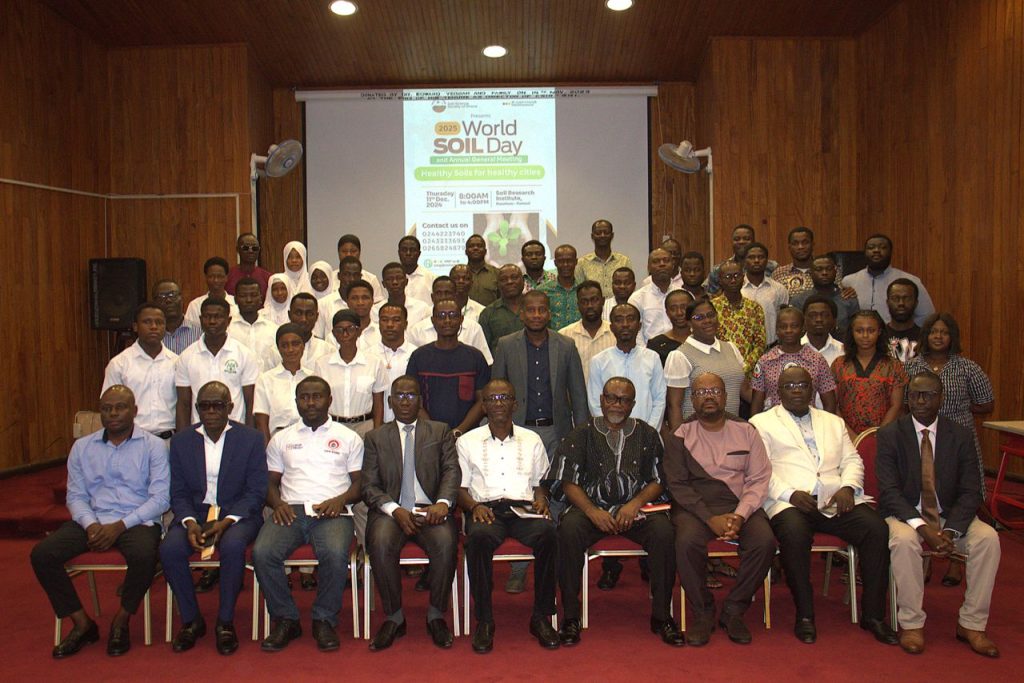
Experts have renewed calls for stronger environmental protection measures to safeguard Ghana’s soils, warning that ongoing degradation directly threatens food security, public health, and sustainable urban development. The appeal was made at the 2025 World Soil Day celebration held at the Soil Research Institute of the Council for Scientific and Industrial Research (CSIR-SRI), amid rising pressure on the country’s lands from illegal mining, pollution, and excessive use of chemical fertilisers.

Speaking at the event, Prof. Vincent K. Avornyo, a lecturer at the University for Development Studies (UDS), emphasised that soil should be regarded as one of the most vital natural resources after water. “Soil is the foundation of our existence, and, sadly, we have not given it the attention it merits,” he stated. “When the soil dies, humans will also die or fall ill.”

Prof. Avornyo explained that soil acts as the medium for crop growth and is a key factor in determining the quality of food and water consumed by humans. He warned that polluted or contaminated soils inevitably pose health risks. “Everything humans eat comes from the soil. If it is polluted, it affects the food chain and ultimately human health.

The soil is a living entity, and it is our duty to protect it,” he added. The 2025 World Soil Day was observed under the theme, “Healthy Soil for Healthy Cities,” highlighting the increasing importance of soil conservation in rapidly urbanizing environments.

President of the Soil Science Society of Ghana, Dr. Edward Yeboah, reinforced this message by urging policymakers and city planners to look beyond short-term agricultural yields. “Soil health involves maintaining a balanced community of organisms and good physical and chemical structure to ensure long-term productivity and environmental quality,” he explained.

He pointed out that urban soils provide essential ecosystem services, including food production, water filtration, carbon storage, temperature regulation, and supporting biodiversity. However, activities like soil sealing, pollution, and unplanned urban expansion are gradually undermining these benefits.

Dr. Collins Korbla Tay, Director of the CSIR-Soil Research Institute, also warned against the common misconception of soil as “dead earth” that can be exploited without consequence. “As long as we keep dumping waste on the soil without managing it properly, the soil will become contaminated. When heavy rains occur, flooding becomes inevitable,” he cautioned.

Dr. Tay lamented that many African societies, including Ghana, undervalue soil, resulting in practices that diminish its quality, especially in cities dominated by concrete structures and poor waste management. “In the past, cities had open lands designated for agriculture and green spaces. Today, everything is concretised, leaving the soil no space to breathe and perform its natural functions,” he observed.

The event united researchers, students, local government officials, and environmental NGOs, all of whom echoed the need for sustainable agricultural practices, reduced pollution, and mindful urban planning. Participants agreed that protecting soil is not only an environmental issue but also a national development priority, vital for building healthy cities, resilient communities, and a sustainable future for Ghana.

2025 IN-HOUSE REVIEW

EXPERT URGES MENTORSHIP AND TEAMWORK AT 2025 CSIR-SRI IN-HOUSE REVIEW TO BOOST SCIENTIFIC RESEARCH

Professor Vincent Lugah, a distinguished soil scientist at the Kwame Nkrumah University of Science and Technology (KNUST) in Kumasi and Chairperson of the 2025 In-House Review at the CSIR-Soil Research Institute (SRI), has called on scientists to prioritize mentorship and collaboration as essential strategies for fostering innovation and enhancing the quality of research in Ghana.

At the two-day event held on August 5-6, 2025, in Kwadaso, Kumasi, Professor Lugah, a distinguished soil scientist from the Department of Crop and Soil Sciences at KNUST, emphasized, “Mentorship and teamwork are essential foundations for cultivating young researchers, promoting knowledge exchange, and fostering a collaborative scientific community equipped to tackle Ghana’s critical agricultural and environmental challenges.”

Professor Vincent Lugah, a distinguished soil scientist at the Kwame Nkrumah University of Science and Technology (KNUST) in Kumasi and Chairperson of the 2025 In-House Review at the CSIR-Soil Research Institute (SRI), has called on scientists to prioritize mentorship and collaboration as essential strategies for fostering innovation and enhancing the quality of research in Ghana.

At the two-day event held on August 5-6, 2025, in Kwadaso, Kumasi, Professor Lugah, a distinguished soil scientist from the Department of Crop and Soil Sciences at KNUST, emphasized, “Mentorship and teamwork are essential foundations for cultivating young researchers, promoting knowledge exchange, and fostering a collaborative scientific community equipped to tackle Ghana’s critical agricultural and environmental challenges.”

Dr. Collins K. Tay, Director of CSIR-SRI, commenced the meeting with a concise update on the Institute’s status, underscoring the critical importance of sustaining and strengthening the IRREP. He articulated his vision of transforming CSIR-SRI into a premier Centre of Excellence in African soil research.

The presentations covered a wide range of topics, including three focused on soil survey and land use planning, three on soil fertility and resource evaluation, six on soil fertility management and crop production, one on land suitability and agricultural systems, five addressing environmental impacts on social health, and one exploring soil and human interaction.

The CSIR–Soil Research Institute’s In-House Review and Research Planning is an annual platform for evaluating research achievements, sharing knowledge, and setting priorities for the year ahead. It fosters collaboration, mentorship, and stakeholder engagement, ensuring that the Institute’s work aligns with national development goals and advances sustainable soil management, environmental protection, and agricultural productivity.

OCP Group

OCP Group, CSIR-SRI Partner to Tackle Soil Degradation and Boost Crop Yields

In a major boost to Ghana’s drive for food security, Morocco’s OCP Group, one of the world’s largest fertilizer producers, has joined forces with the Council for Scientific and Industrial Research–Soil Research Institute (CSIR-SRI) to launch a landmark soil management project.

A high-powered delegation from OCP Group and Morocco’s National Institute for Agricultural Research visited CSIR-SRI in Kumasi to officially kickstart the collaboration. The team was received by Dr. Collins Korbla Tay, Director of CSIR-SRI, together with senior scientists and project staff. Describing the partnership as a “significant milestone”, Dr. Tay said the initiative would address critical soil fertility challenges, especially for maize and rice farmers in the Northern, Volta and Eastern Regions.

“This project will revolutionize how we manage soil health in Ghana,” Dr. Tay noted. “By mapping soil nutrients and developing site-specific fertiliser recommendations, we will help farmers increase yields sustainably and cut down costs.”

The project aims to produce detailed soil nutrient maps, design custom fertilizer blends for staple crops, test improved fertilization methods on farms, and validate scientific techniques to keep Ghana’s soils healthy for the long term.

Dr. Tetteh, the project focal person at CSIR-SRI, said the collaboration would also build local capacity by training Ghanaian experts and developing decision-making tools for farmers and policymakers.

“For us, this is not just research for research’s sake,” Dr. Tetteh stressed. “It’s about empowering farmers with the right knowledge and tools to manage their soils responsibly and productively.”

The Moroccan delegation, which included representatives from OCP Africa, Mohammed VI Polytechnic University, and the OCP Foundation, toured CSIR-SRI’s laboratories to observe ongoing soil research trials.

Stakeholders say the project could be a turning point for Ghanaian agriculture at a time when soil degradation is threatening farm productivity across the country. With pilot field projects set to begin in the coming months, farmers in the target regions can look forward to higher yields, reduced input costs, and more climate-resilient farming practices.

Experts Call for Innovative Repurposing of Abandoned Mining Sites at DAAD-Alumni Conference in Kumasi

Experts Call for Innovative Repurposing of Abandoned Mining Sites at DAAD-Alumni Conference in Kumasi

At the recent DAAD-Alumni Conference held at the CSIR-Soil Research Institute in Kumasi, scientists and researchers gathered to advocate for the innovative repurposing of abandoned mining concessions across Ghana. This call to action comes in response to the alarming environmental degradation caused by illegal mining activities, which continue to plague these once-productive lands. As illegal miners continue to exploit abandoned sites left by large-scale companies, experts warn that restoring these degraded lands could take a staggering 300 years. While the government and mining corporations strive to mitigate the environmental impact, researchers are calling for a more inclusive approach that explores alternative uses for these lands beyond mere reclamation.

Dr. Jones Mantey, a Strategic Mine Consultant, spoke at the conference about the challenges faced with reclamation efforts. “Some community members opposed a plan by a mining company to convert an abandoned site into aquaculture. They argued that they are miners, not fishermen, and wouldn’t want a fishing hub. This created challenges. If security isn’t tight at abandoned sites, it creates problems,” he noted.

(Dr. Jones Mantey, a Strategic Mine Consultant)

Dr. Mantey proposes transforming these abandoned sites into energy hubs or recreational areas. He pointed out that backfilling dug pits can be difficult, suggesting that converting them into water resources or hydro dams could provide economically, socially, and environmentally friendly alternatives.

Dr. Albert Mensah, a senior research scientist at the Soil Research Institute of the Council for Scientific and Industrial Research (CSIR-SRI) and program coordinator for the DAAD Alumni event, emphasized the challenges of phytoremediation. “Phytoremediation is difficult. Since these mining companies are businesses, they are not ready to wait for these plants to absorb the toxic chemicals, as it takes a long time,” he stated.

(Dr. Albert Mensah, a senior research scientist, CSIR-SRI)

Dr. Collins Tay, Director at the Soil Research Institute, underscored the necessity for government commitment in restoring natural resources adversely impacted by illegal mining.

“Once the miners are licensed, they must set aside funds for restoration right from the start of production,” he advised.

The discussions at the conference reflect a growing recognition of the need to balance economic interests with environmental sustainability, as experts seek to find effective solutions to the challenges posed by mining in Ghana.

Professor Jörg Rinklebe, the keynote speaker, delivered a presentation cataloguing the various works he has undertaken over the years. Professor Rinklebe is among the top 2% of scientists worldwide.

In his presentation, Prof. Rinklebe recounted the numerous projects he is leading as the principal investigator across Europe, Asia, America, and Africa.

He described the effectiveness of phytoremediation technologies in removing contaminants from polluted soils and water. He concluded that restoring the pristine or original state through phytoremediation could take between 10,000 and 100,000 years.

The DAAD-Alumni Conference brought together local and international researchers and stakeholders to discuss the impacts of both large-scale and artisanal gold mining on the environment and to propose practical solutions for sustainable practices.